


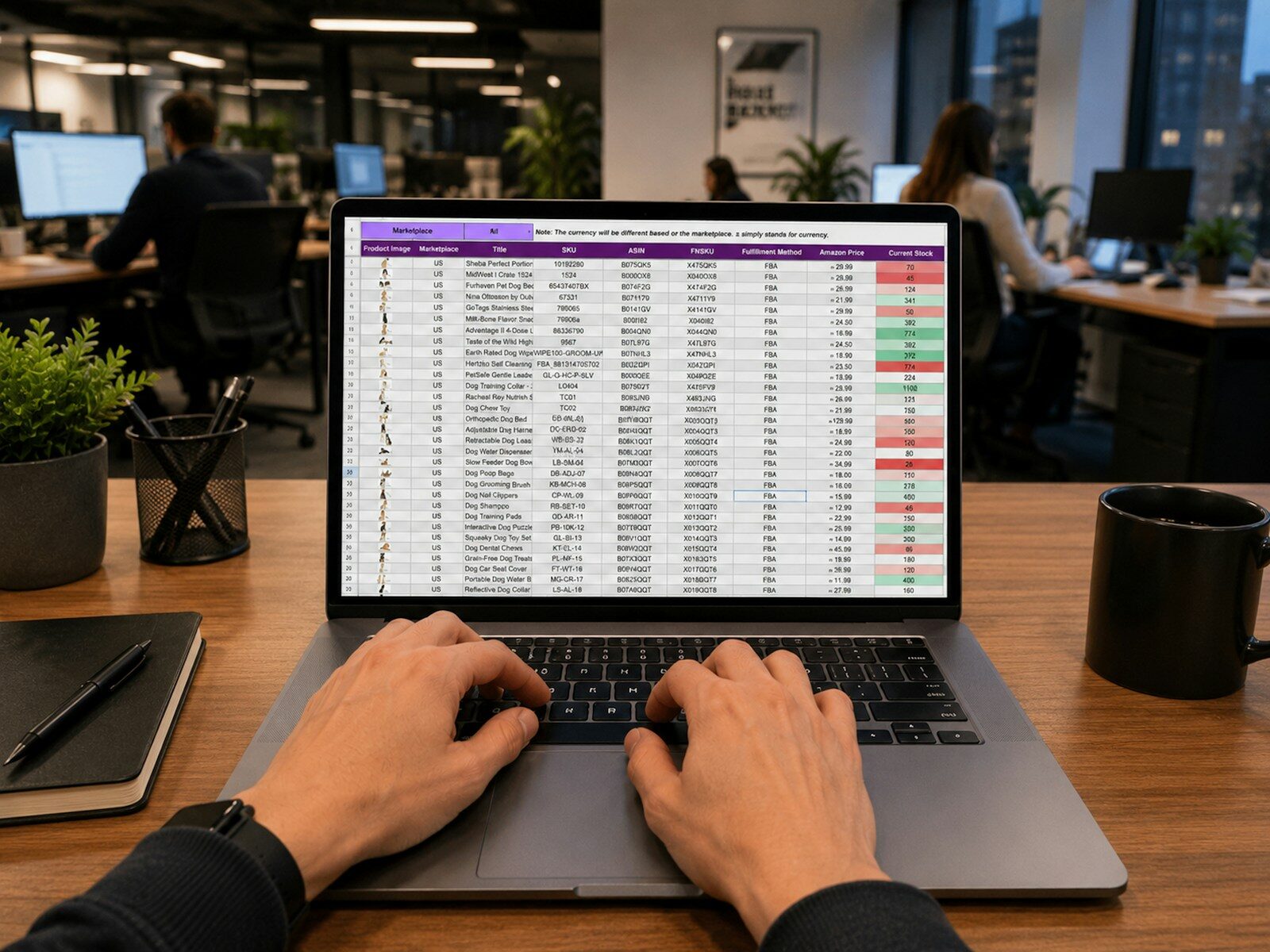
Every workplace has that one spreadsheet: the file everyone relies on, no one fully understands, and one brave soul updates with crossed fingers on a Friday afternoon. It begins life innocently enough, a tidy way to track stock, bookings, repairs, volunteers, memberships or suppliers. Then the business changes, more people need access, and suddenly the spreadsheet is less a tool and more a minor constitutional crisis.
This is often the point where small organisations realise the problem is not “too much data”, but data arranged in a way that no longer fits how they actually work. Off-the-shelf software can help, but it often comes with fields, workflows and reports shaped around somebody else’s assumptions. For teams with unusual processes, seasonal demands or decades of inherited admin habits, that mismatch can waste hours.
That is why discussions about a bespoke database system usually start not in boardroom theory, but in everyday frustration. People want fewer duplicate entries, clearer records and less reliance on whoever happens to “know how the sheet works”. It is not a glamorous subject, but it can mean the difference between a smooth handover and a week of detective work every time someone goes on leave.
Signs the old setup is creaking
- Different versions of the same file are circulating by email.
- Staff keep creating workarounds because the system cannot reflect real tasks.
- Reporting takes ages even for simple questions.
- One person holds all the knowledge about where information lives.
There is also a cultural point here. Better information systems are not only about efficiency, they cut the low-level friction of daily work. When people can find what they need quickly, trust the records in front of them and stop re-entering the same details, work feels calmer. That may be less flashy than talk of digital transformation, but for many independent organisations, calmer is exactly what they need.
Photo by Gorilla ROI Data Connector.